
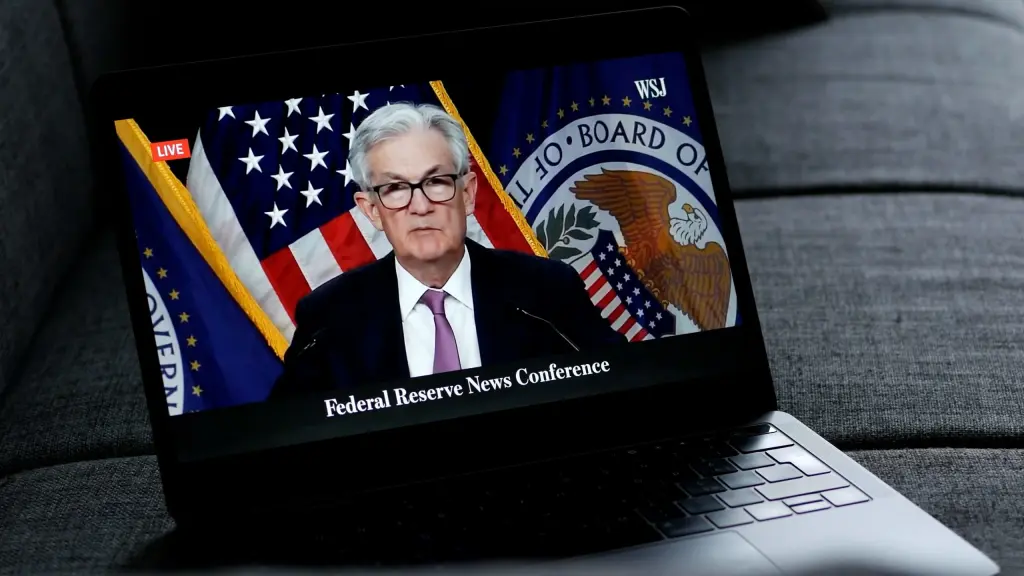

Crypto regulation in the United States took a landmark turn this week as the Federal Reserve announced it has pulled long‑standing guidance that previously limited how banks could engage with cryptocurrency and dollar‑denominated tokens. This regulatory pivot marks a dramatic shift in policy, reshaping the landscape for banks, crypto firms, and the broader digital asset economy.
The Federal Reserve’s move to rescind key supervisory letters and interagency statements — some originally issued in 2022 and 2023 — signals a broader recalibration of crypto regulation from warnings and restrictions toward a framework emphasizing normal supervisory oversight and responsible innovation.
What the Fed Withdrew and Why It Matters
In April 2025, the Federal Reserve Board formally withdrew several pieces of guidance that had shaped how banks approached crypto‑related activity. These included a 2022 supervisory letter requiring banks to notify the Fed before engaging in crypto‑asset activities, and a 2023 letter outlining a non‑objection process for engagement in dollar token activities. Under the new approach, banks no longer need advance approval or separate notices to pursue crypto initiatives.
This change aligns the Fed with other U.S. banking regulators — namely the Federal Deposit Insurance Corporation (FDIC) and the Office of the Comptroller of the Currency (OCC) — which had already eased their own crypto‑related guidelines earlier in 2025.
Proponents argue the shift addresses years of regulatory friction that discouraged banks — especially state‑chartered and uninsured ones — from innovating in digital asset services. By removing prescriptive hurdles, the Fed hopes to integrate crypto activity into the normal supervisory process, which assesses risk and compliance across banking activities without automatically treating crypto as exceptional.
Crypto Regulation Shift: Fed vs. Previous Policy
Below is a comparison of the U.S. Federal Reserve’s withdrawn policy versus the current supervisory framework.
| Aspect | Withdrawn Fed Guidance | Current Framework |
|---|---|---|
| Advance notification required for bank crypto activities | Yes (2022 letter) | No — monitored via normal supervision |
| Prior regulatory non‑objection for dollar token activities | Yes (2023 letter) | No — standard supervision applies |
| Interagency statements highlighting crypto risks | In place (2023) | Withdrawn |
| Treatment of novel crypto banking activities | Restrictive presumption | Risk‑based evaluation following normal bank oversight |
Industry Response and Market Implications
The immediate reaction from crypto industry leaders and financial analysts has been broadly positive, highlighting the latest move as a step toward institutional legitimacy and expanded bank participation in digital finance. Removing guidance barriers could enable banks to offer custody, settlement, and tokenized asset services without the procedural drag of prior approval processes.
However, critics caution that easing regulatory constraints raises valid concerns about systemic risk, consumer protection, and whether existing supervisory frameworks are sufficiently robust to manage complex digital‑asset exposures. As Brookings Institution analysts have emphasized, any regulatory pivot must balance innovation with fairness and safety for the American public.
The Fed’s withdrawal also fits within a broader shift in U.S. crypto regulation — including executive clarifications on digital assets and legislative proposals around stablecoin frameworks — underscoring an evolving policy environment that recognizes digital assets as part of the financial mainstream.
How This Compares Globally
While the U.S. recalibrates its domestic crypto regulation, other financial jurisdictions have taken varied paths:
- European Union: The Markets in Crypto‑Assets Regulation (MiCA) framework sets clear licensing and compliance standards for crypto firms.
- Singapore: The Monetary Authority of Singapore offers a tiered licensing model that supports crypto‑banking services under strict prudential controls.
- Switzerland: Crypto firms operate under a well‑established regulatory framework that treats digital assets under existing financial laws.
These international comparisons illuminate how regulatory philosophy — from permissive to precautionary — shapes market development and participation. The Fed’s shift suggests the U.S. may now lean toward a principles‑based supervision rather than rigid crypto‑specific edicts.
Risks and Rewards: What Banks Should Consider
Banks contemplating expanded crypto engagement in this new regulatory climate should weigh the following:
- Compliance Complexity: Crypto activities still demand strong risk controls and adherence to anti‑money‑laundering, consumer protection, and cybersecurity standards.
- Reputation and Trust: While procedural barriers fall away, public and stakeholder trust remains paramount.
- Operational Readiness: Infrastructure for custody, trading, and token service management must integrate with existing systems securely and efficiently.
Embedding crypto into traditional banking without appropriate safeguards could expose institutions to volatility and operational risk — underscoring the need for robust internal controls even in a less restrictive regulatory regime.
FAQ — Crypto Regulation and the Fed’s Guidance Pullback
Q: What does the change in crypto regulation mean for U.S. banks?
A: The change means banks no longer need advance regulatory approval to engage in crypto activities and will be monitored through normal supervision instead of special guidance.
Q: How does this shift affect state‑chartered banks and uninsured institutions?
A: Previously constrained by old guidance, these institutions may now pursue crypto activity without the same procedural limitations, potentially fostering innovation.
Q: Does the Fed’s pullback remove all crypto regulation?
A: No — it removes specific supervisory letters and statements but keeps crypto under existing banking regulation and supervision.
Looking Ahead: Balancing Innovation and Oversight
As crypto regulation continues to evolve, this policy shift by the Federal Reserve may set the stage for broader institutional adoption of digital assets, potentially reshaping the banking industry’s relationship with blockchain‑based finance. Yet it also challenges regulators and banks to ensure that innovation does not outpace the compliance structures designed to protect markets and consumers.
The next chapter in U.S. regulatory policy will hinge on how Congress, federal agencies, and international peers converge on standards that foster growth while safeguarding financial stability. In this context, the Fed’s recent action could be viewed not as relinquishing oversight, but recalibrating it for a future where crypto is part of mainstream banking’s fabric.
