
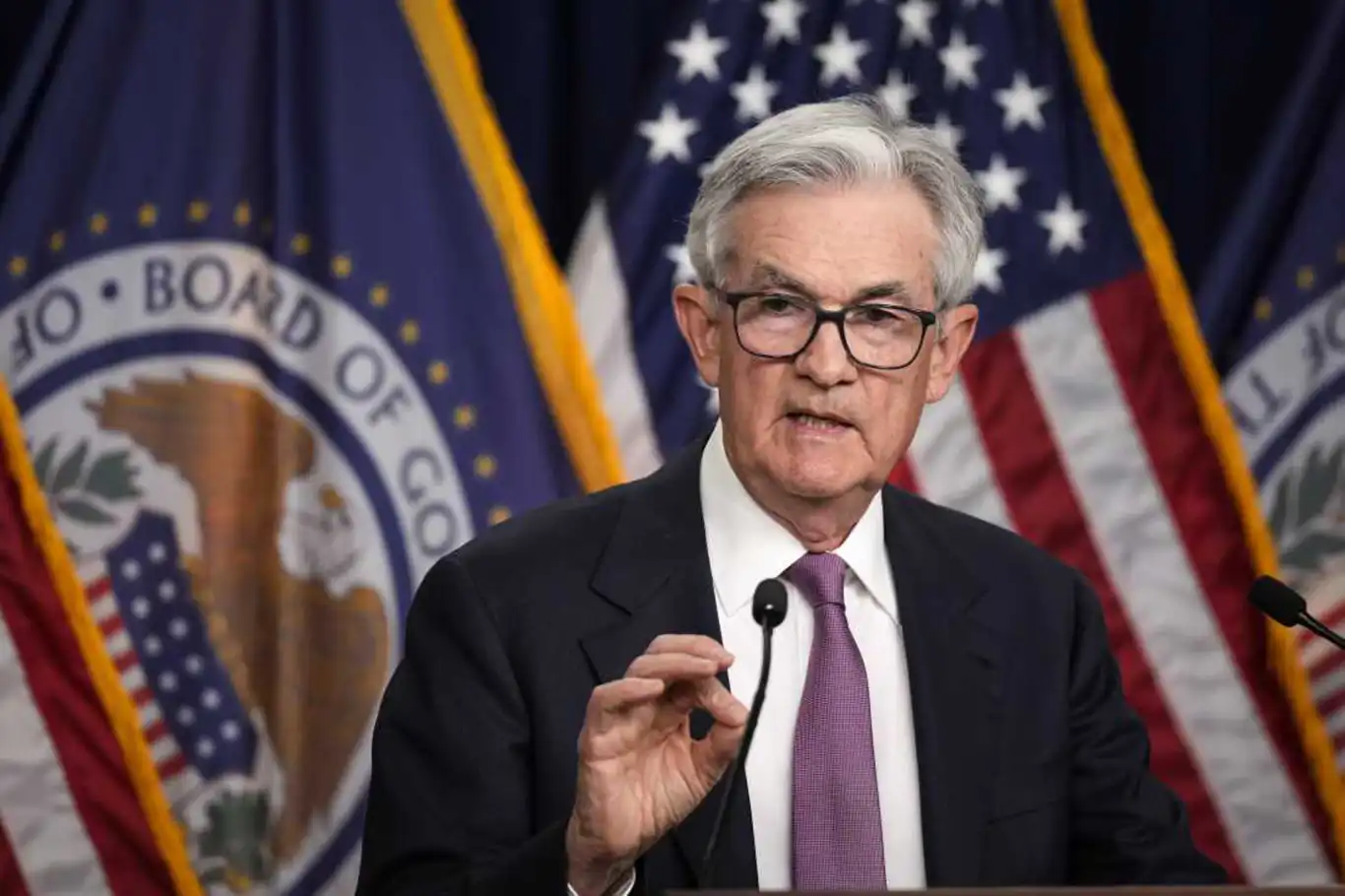

Jerome Powell criminal probe headlines emerged after U.S. prosecutors confirmed they have opened a criminal investigation involving the sitting chair of the Federal Reserve, triggering immediate political and market scrutiny.
The Jerome Powell criminal probe marks an extraordinary moment for the U.S. central bank, an institution historically insulated from political and legal turbulence. According to multiple reports, federal prosecutors are reviewing whether actions connected to Powell’s role as Fed chair may have violated federal law. The investigation is described as preliminary, with no charges filed and no formal accusations announced at this stage.
Powell, who has served as Federal Reserve chair since 2018, has been a central figure in U.S. monetary policy through pandemic-era stimulus, aggressive interest rate hikes, and ongoing inflation management. The emergence of a criminal probe does not automatically imply wrongdoing, but it places renewed focus on the boundaries between monetary authority, ethics rules, and federal oversight.
The Justice Department has not disclosed the specific statutes under review, and prosecutors have not indicated a timeline for the investigation. What is known so far suggests the inquiry stems from actions taken while Powell was in office, rather than from his earlier private-sector career. Markets reacted cautiously, with investors weighing the implications for Federal Reserve credibility rather than pricing in immediate policy disruption.
This development arrives at a sensitive moment for global markets, as traders closely monitor signals around rate cuts, inflation persistence, and the Fed’s independence from political pressure. Any perception that the central bank’s leadership could be compromised carries implications far beyond the legal process itself.
In a brief official statement addressing the matter, the U.S. Department of Justice said:
“The Department does not comment on ongoing investigations.”
No further details were provided, and the Federal Reserve has not released an independent statement elaborating on the probe.
The Jerome Powell criminal probe introduces uncertainty, but its practical impact remains limited for now. Powell continues to serve as Fed chair, and there is no legal requirement for recusal or resignation absent formal charges or findings of misconduct. The Federal Open Market Committee (FOMC) operates as a collective body, which reduces the likelihood of immediate policy disruption.
However, the investigation may carry longer-term consequences. If the probe advances, it could intensify political pressure on the Federal Reserve at a time when its autonomy is already under debate. Lawmakers critical of past rate decisions may use the situation to challenge the Fed’s governance structure or push for reforms tied to transparency and accountability.
For crypto markets, the situation is closely watched but not yet decisive. Bitcoin and other digital assets tend to react more strongly to shifts in monetary policy than to legal developments involving policymakers. Still, questions around Fed leadership can influence expectations about rate stability, liquidity conditions, and risk appetite—all factors relevant to crypto pricing.
Investors are also paying attention to whether the probe could delay or complicate future policy guidance. While Powell’s legal situation does not change current mandates, prolonged uncertainty could affect communication strategy or succession planning discussions behind the scenes.
At this stage, the most likely outcome is a lengthy review with limited public disclosure. Federal investigations often take months, sometimes longer, and many conclude without charges. Until prosecutors release additional information, markets are expected to treat the Jerome Powell criminal probe as a background risk rather than a catalyst.
As more details emerge, attention will remain fixed on whether the investigation escalates or quietly concludes—an outcome that will determine whether this episode becomes a footnote in Fed history or a defining test of institutional resilience.
