
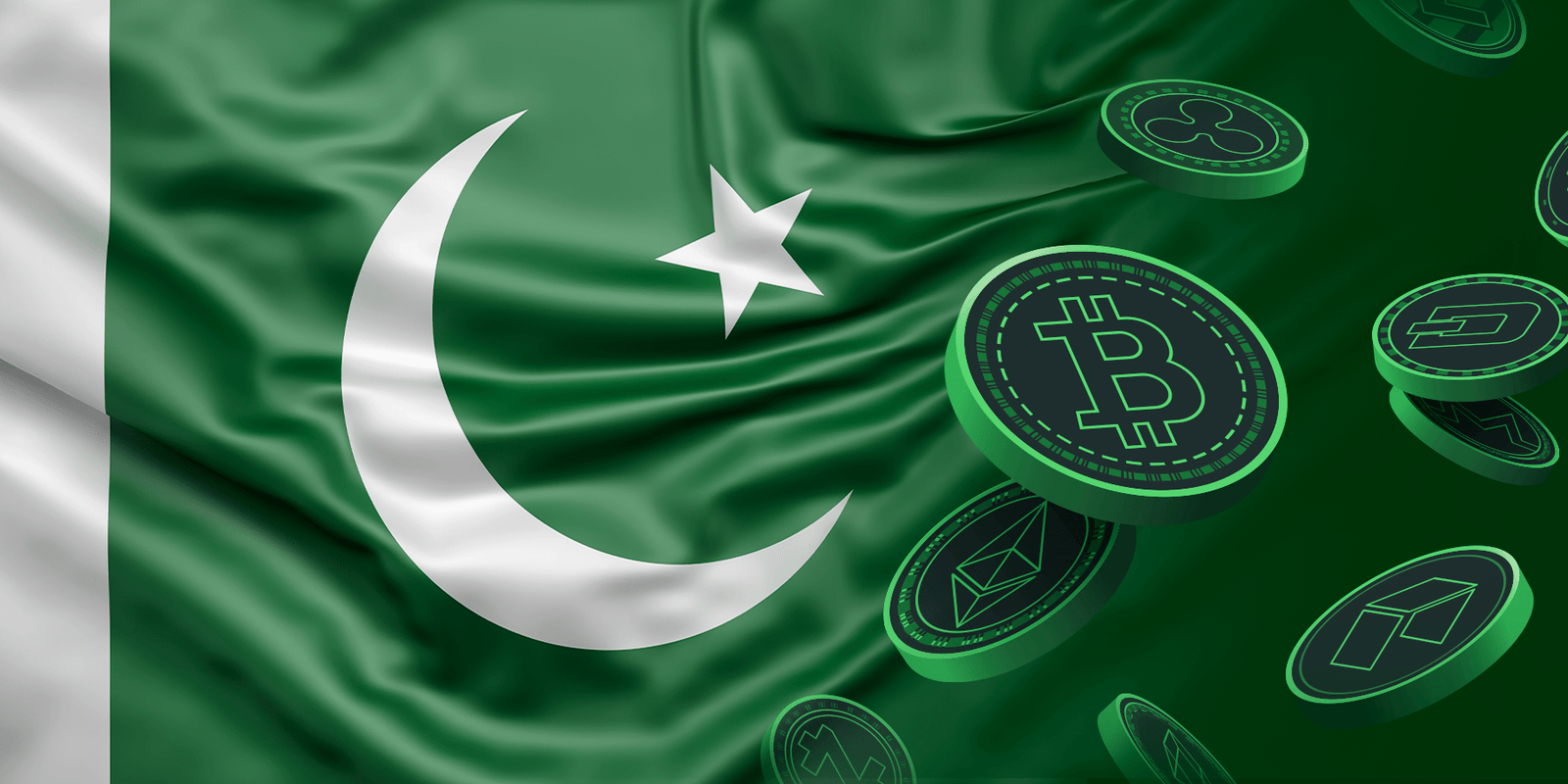

Pakistan crypto is rapidly moving from a fringe discussion to a national policy conversation. In a striking shift, Pakistan’s federal minister has openly stated that Bitcoin and blockchain should underpin the country’s next financial rail, signaling a potentially historic transformation of Pakistan’s economic architecture. The statement comes at a time when the global crypto market is fluctuating between bullish optimism and bearish macro pressures, with the bitcoin current price influencing policy debates worldwide.
This article investigates the motives, risks, and geopolitical significance behind Pakistan’s pivot toward blockchain—while integrating real market realities including marketcap, Ethereum, etf market trends, and what top analyst views indicate about 2024’s global shift toward decentralized finance.
Why Pakistan Is Considering Bitcoin and Blockchain Infrastructure
Pakistan’s financial system faces persistent challenges: low banking penetration, heavy reliance on cash, an overburdened remittance corridor, inflationary pressure, and limited transparency. A proposal urging that Bitcoin and blockchain serve as the backbone of new financial rails suggests a bold effort to rebuild trust, efficiency, and economic stability.
Remittances & Financial Inclusion
Pakistan receives one of the world’s largest inflows of remittances—over $25 billion annually. Blockchain-based systems could reduce transaction fees dramatically, mirroring global pilots already tested in Africa and Southeast Asia. The minister’s proposal aligns with a broader vision where bitcoin and Ethereum-based systems expedite settlement times and reduce intermediary reliance.
Inflation, Transparency & Stability
Pakistan’s inflation cycles—similar to other emerging economies—have given rise to public interest in digital assets. While the government does not endorse crypto as legal tender, the minister’s statement indicates a willingness to use blockchain as a transparency-enhancing layer, possibly tied to digital IDs or digital rupee systems.
Global Context: Countries Turning to Blockchain Rails
Pakistan is not alone. Countries like UAE, Singapore, and Brazil are experimenting with blockchain settlement, though not necessarily anchored to Bitcoin.
Here’s a comparison:
Blockchain Financial Rail Comparison
| Feature | Pakistan’s Proposed Bitcoin/Blockchain Rail | Brazil’s Digital Real Initiative |
|---|---|---|
| Core Technology | Bitcoin + blockchain infrastructure | CBDC on permissioned blockchain |
| Goal | Transparency, remittances, modernization | Faster payments, programmable finance |
| Regulatory Climate | Evolving, mixed signals | Highly structured framework |
| Private Sector Role | Likely large; fintech-driven | Government-led pilot |
| Adoption Timeline | TBD; dependent on legislation | Already in advanced testing |
Economic Stakes for Pakistan
The financial modernization push arrives at a time when Pakistan’s digital economy is expected to expand significantly through 2024 and beyond. While the government debates policy frameworks, investors monitor crypto markets closely—even the price of xrp, which often acts as an indicator for liquidity sentiment in emerging economies.
Potential Benefits
- Lower remittance fees
- Attracting crypto-focused foreign investment
- Boosting fintech innovation
- Reducing corruption via immutable ledgers
Major Risks
- Regulatory uncertainty
- Capital flight concerns
- Global scrutiny tied to IMF negotiations
- Potential volatility shocks if tied too closely to bitcoin
Despite these risks, xrp is expected by some regional traders to play a remittance-focused role that complements Pakistan’s blockchain ambitions.
How ETFs and Global Markets Influence Pakistan
The increasing approval of global bitcoin etf products has pushed institutional adoption to new heights. Pakistan’s economic planners are not immune to this trend. A rising global bitcoin marketcap reinforces its narrative as a reserve-like digital asset, even though Pakistan’s central bank maintains a cautious stance.
In 2024, many analysts argue that countries facing currency fragility might begin integrating blockchain settlement layers to diversify risk. According to one analyst cited in international reports, emerging markets with young, digital-native populations “have the most to gain from blockchain rails.”
Where Pakistan Stands on Crypto Regulation Today
Pakistan currently maintains a mixed regulatory climate. While some agencies warn against crypto trading, others push for innovation.
Government Bodies Involved
- SECP (Securities & Exchange Commission of Pakistan): Supports blockchain innovation for regulatory technology.
- SBP (State Bank of Pakistan): Resistant to private cryptocurrencies.
- IT Ministry & Finance Ministry: Push for blockchain adoption across government services.
This internal tug-of-war has slowed regulatory clarity but has not halted the momentum behind Pakistan’s digital economy ambitions.
FAQs About Pakistan Crypto
What does the minister’s statement mean for Pakistan crypto policy?
It signals that the government is considering using Bitcoin and blockchain technologies as part of Pakistan’s national financial infrastructure, though official regulatory clarity for Pakistan crypto remains under development.
Is Pakistan crypto adoption likely to affect remittances?
Yes. Blockchain rails could reduce the cost and processing time of remittances, making Pakistan crypto integrations highly impactful for overseas workers.
Will Bitcoin become legal tender under Pakistan crypto regulations?
There is no indication that Bitcoin will become legal tender. However, blockchain rails and Bitcoin-based settlement layers may be integrated into Pakistan crypto modernization efforts.
How does Pakistan crypto compare to other emerging market strategies?
Pakistan crypto strategies are at an earlier stage compared to places like Brazil or the UAE, but the ambition level is significant.
Conclusion
Pakistan’s emerging stance on Bitcoin and blockchain as potential foundations for its new financial rail marks a pivotal moment in the nation’s economic development. Whether driven by the need for transparency, efficiency, or modernization, Pakistan’s approach could reshape how millions transact, save, and send money. While regulatory uncertainty and macroeconomic pressures pose challenges, the long-term trajectory suggests that Pakistan is positioning itself to embrace digital transformation more aggressively than many expect.
As the global crypto market evolves, Pakistan’s decisions in 2024 and beyond will serve as an important case study for emerging economies navigating the transition from legacy systems to decentralized financial infrastructure. If executed with clarity and strategic vision, this shift could be one of the most significant economic reforms in modern Pakistan history.
