
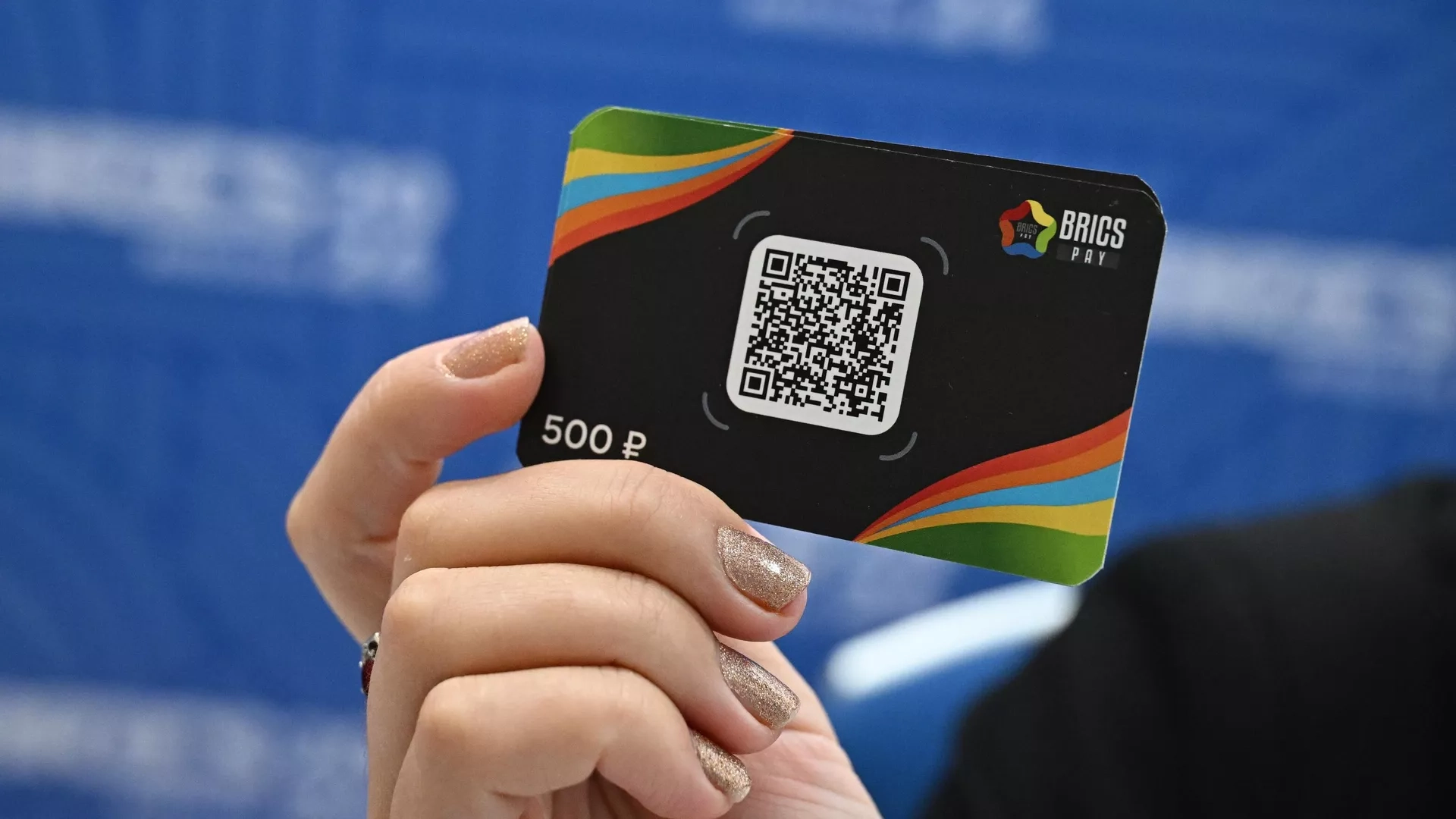

What is the purpose of BRICS Pay? At first glance, it appears to be just another digital payment platform, but beneath the surface lies a far more strategic ambition. BRICS Pay, spearheaded by the economic bloc of Brazil, Russia, India, China, and South Africa (with more members joining discussions), represents more than financial technology—it signals a geopolitical challenge to dollar dominance in global trade.
As the BRICS coalition seeks to increase financial independence and reduce reliance on Western-controlled payment systems like SWIFT, BRICS Pay emerges as both a financial tool and a political statement. This article investigates the mechanics, ambitions, and potential global impact of BRICS Pay, asking whether it is poised to become a cornerstone of a new international financial order.
The Origins of BRICS Pay
The idea for BRICS Pay was first floated as early as 2018, when member states began exploring alternatives to existing financial infrastructures that were overwhelmingly dominated by Western institutions. The reliance on systems like SWIFT, Mastercard, and Visa created vulnerabilities, particularly for countries facing sanctions or trade restrictions.
By 2023, momentum for BRICS Pay accelerated amid rising geopolitical tensions. Russia’s exclusion from much of the global financial system highlighted the need for alternatives, while China’s ambition to internationalize the yuan provided additional impetus. BRICS Pay, therefore, was conceived not just as a payment app, but as a strategic backbone for the bloc’s financial sovereignty.
How BRICS Pay Works
A Digital Payment Ecosystem
At its core, BRICS Pay is designed to allow individuals and businesses within BRICS nations to conduct cross-border transactions seamlessly in their local currencies. Rather than routing payments through the U.S. dollar or euro, BRICS Pay facilitates direct currency exchanges among members.
- Multi-Currency Support: Users can transact in yuan, rubles, rupees, reals, rand, and potentially other currencies as new members join.
- Blockchain Integration: While not fully disclosed, several BRICS representatives have hinted at blockchain-enabled infrastructure to ensure security and transparency.
- Mobile Accessibility: Much like popular fintech platforms, BRICS Pay is expected to be mobile-first, reaching the billions of people in BRICS nations who rely on smartphones for financial services.
Strategic Independence
The purpose of BRICS Pay is not merely convenience—it is independence. By avoiding dollar settlements, BRICS nations reduce exposure to currency volatility, sanctions, and the political leverage that comes with dollar dominance.
The Geopolitical Significance of BRICS Pay
Challenging the Dollar Hegemony
The most important answer to what is the purpose of BRICS Pay lies in geopolitics. Currently, over 58% of global foreign exchange reserves are held in U.S. dollars, and most cross-border transactions rely on the dollar as an intermediary. BRICS Pay aims to bypass this system, giving member nations greater autonomy.
For example:
- Russia views BRICS Pay as an escape route from sanctions.
- China sees it as a way to accelerate the yuan’s global use.
- India, Brazil, and South Africa seek better terms of trade and reduced costs from currency conversions.
Redefining Trade Partnerships
With BRICS nations accounting for nearly 30% of global GDP and over 40% of the world’s population, the establishment of a common payment framework could reshape trade flows. Imagine Brazilian exporters being paid in reals directly by Indian buyers, without touching dollars. This reduces transaction costs and strengthens intra-BRICS ties.
Economic Opportunities and Challenges
Benefits for BRICS Economies
- Lower Costs: Eliminating third-party currency conversions cuts fees for businesses.
- Enhanced Trade Efficiency: Direct settlements speed up payments.
- Financial Inclusion: BRICS Pay could provide millions of unbanked citizens with access to cross-border commerce.
Barriers to Success
- Technical Infrastructure: Creating a reliable multi-currency payment system across diverse economies is no small feat.
- Trust Deficits: Political rivalries within BRICS, particularly between India and China, could hinder full integration.
- Global Resistance: Western institutions may push back, seeing BRICS Pay as a direct threat to financial hegemony.
Comparisons with Other Systems
BRICS Pay is often compared to SWIFT and CIPS (China’s Cross-Border Interbank Payment System). Unlike SWIFT, which is a messaging system rather than a payment processor, BRICS Pay aims to function as a direct settlement platform. Compared to CIPS, BRICS Pay is broader, encompassing multiple currencies rather than centering on the yuan.
The purpose, therefore, is not just technical efficiency—it is symbolic. BRICS Pay is a declaration of financial multipolarity.
Expert Insights
Economists warn that while BRICS Pay is ambitious, its success depends on adoption beyond the bloc. If African, Middle Eastern, or Southeast Asian nations begin using it, BRICS Pay could emerge as a real alternative to the dollar. However, if confined to intra-BRICS trade, its impact may be limited.
The International Monetary Fund (IMF) has noted that de-dollarization trends are gaining momentum, but cautions that no system yet rivals the dollar’s liquidity and trust [IMF report].
FAQ: What is the Purpose of BRICS Pay?
What is the purpose of BRICS Pay in global trade?
The purpose is to reduce reliance on the U.S. dollar in cross-border trade, allowing BRICS nations to transact directly in local currencies.
How does BRICS Pay differ from SWIFT?
While SWIFT is a messaging system for banks, BRICS Pay aims to directly settle transactions in multiple local currencies, avoiding dollar intermediaries.
Can BRICS Pay replace the U.S. dollar?
Not immediately. The dollar remains dominant, but BRICS Pay signals a long-term strategy to create an alternative financial system.
Who benefits most from BRICS Pay?
Countries under sanctions, such as Russia, and those seeking to internationalize their currencies, such as China, stand to benefit the most.
Is BRICS Pay based on blockchain technology?
While official details are scarce, several BRICS officials have suggested blockchain could underpin BRICS Pay to enhance security and transparency.
Conclusion: A New Financial Order Emerging?
So, what is the purpose of BRICS Pay? At its heart, it is about sovereignty. By creating an independent payment network, BRICS nations are asserting their right to trade freely, bypass Western financial dominance, and reimagine the balance of global power.
While technical and political hurdles remain, the long-term implications are profound. If BRICS Pay succeeds, it could accelerate the decline of dollar hegemony and usher in an era of multipolar finance. Whether it becomes a niche tool for sanctioned states or a mainstream rival to Western systems will depend on adoption, trust, and technological execution.
Either way, BRICS Pay has already served its purpose—it has signaled to the world that the future of money will not be dictated by one currency alone.
