
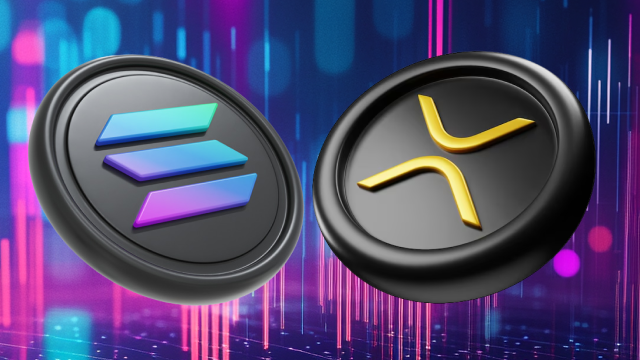

XRP on Solana is now live as Wrapped XRP (wXRP) becomes tradable across Solana, Ethereum and other major blockchain networks, marking a major expansion for Ripple’s ecosystem.
The launch enables holders to access decentralized finance (DeFi) applications beyond the XRP Ledger, while maintaining redemption rights for the underlying asset.
Ripple’s newest move represents a milestone in its multichain strategy. Wrapped XRP — a 1:1 representation of native XRP — has been activated on Solana’s high‑throughput blockchain and other networks, broadening usability for traders, liquidity providers and institutions interested in cross‑chain capital deployment.
The initiative aligns with growing demand for interoperable assets that can move seamlessly between ecosystems. Historically focused on cross‑border payments and enterprise settlement, Ripple has been steadily integrating with external chains through bridges and interoperability protocols such as Wormhole, which connects the XRP Ledger to over 35 networks.
Bringing XRP liquidity to Solana taps into one of crypto’s most active DeFi hubs, renowned for fast transaction times and deep on‑chain markets. Meanwhile, inclusion on Ethereum — the largest DeFi ecosystem — further positions XRP as a programmable asset beyond its traditional remit.
According to Hex Trust’s announcement, wrapped XRP “is designed to let XRP move across several blockchains while remaining backed 1:1 by the original asset,” with custody and issuance services supporting on‑chain utility.
This framing underscores the intent to preserve economic integrity for wXRP holders even as the token operates in diverse environments like Solana’s DeFi pools or Ethereum‑based automated market makers.
The broader rollout of XRP on Solana and other chains could significantly alter how the asset participates across decentralized ecosystems. Projects and liquidity providers on Solana can now integrate wXRP directly into lending, swapping and yield strategies, potentially attracting fresh capital from XRP holders seeking returns outside traditional markets. Meanwhile, accessibility on Ethereum supports composability with a wide spectrum of decentralized applications.
Institutional interest may also rise as XRP becomes more versatile. On centralized venues like the Hashdex Nasdaq Crypto Index Fund, XRP has already secured inclusion alongside Bitcoin and Ethereum, reflecting growing demand from regulated investment products.
However, the success of cross‑chain adoption will depend on durable liquidity and seamless bridge infrastructure. Developers and infrastructure providers will need to monitor market depth and transaction throughput to mitigate risks such as slippage or congestion in peak usage periods.
